The connection between our physical strength and brain health is often overlooked, yet it’s one of the most vital aspects of senior wellness. While we frequently focus on memory loss as we age, a quieter, more subtle medical condition is often happening at the same time: muscle loss. This blog will explore the powerful and increasingly recognized link between dementia muscle loss and cognitive decline. Understanding this relationship is essential for seniors, family members, and caregivers. We’ll cover the symptoms and warning signs of muscle loss in seniors with dementia, discuss risk factors like sarcopenia and frailty syndrome, and explain why the loss of muscle mass may increase the risk of developing dementia. We’ll focus on proactive steps – from strength training and exercise programs to nutritional support – that can help you stay strong as you age. At The Village at Gainesville, we understand the brain-body connection, and our approach integrates dementia care with wellness programs that promote strength, mobility, and overall quality of life.
Understanding Dementia and Muscle Loss
As people age, muscles naturally begin to lose mass and strength, a condition known as sarcopenia. Sarcopenia is defined as the age-related decline in skeletal muscle strength and mass, and it’s a major contributor to physical decline and mobility issues. The link between loss of skeletal muscle and cognitive decline is a growing area of research. It’s not just a coincidence; scientists are finding that similar underlying processes, such as chronic inflammation and neurological decline, contribute to both conditions. For example, some studies suggest that a reduction in regular physical activity, often a consequence of muscle loss dementia, can deprive the brain of the necessary stimulation and growth factors it needs to thrive. The greater the strength loss, the greater the potential impact on brain health. This is the essence of the brain-body connection: Maintaining one helps to support the other.
Symptoms and Warning Signs of Muscle Loss in Seniors with Dementia
Recognizing the warning signs of muscle loss in seniors with dementia early on is key to intervention. Because dementia can affect a senior’s awareness and ability to communicate, caregivers must be vigilant. Key symptoms of muscle loss associated with dementia include:
- Weakness and decreased muscle strength: Struggling with tasks that used to be easy, like opening jars or getting up from a chair.
- Balance problems and increased risk of falls: Mobility issues often start with unsteady steps and a decline in motor function. Falls are a major risk for seniors experiencing strength loss.
- Difficulty performing activities of daily living (ADLs): Needing more assistance with bathing, dressing or walking.
- Fatigue or rapid decline in physical function: An unexplained, persistent feeling of tiredness or a sudden downturn in physical ability.
If you notice a rapid change, recognizing these signs and seeking intervention – such as physical therapy – can prevent further physical decline and maintain greater independence.
The Prevalence and Risk Factors of Dementia Muscle Loss
Muscle loss dementia most commonly affects adults over 65, but prevalence increases with age.
- What is the age group most affected by muscle loss and dementia? While muscle mass declines naturally starting in our 30s, the most significant impact of sarcopenia and dementia risk is typically seen in adults over 65, with prevalence increasing sharply in the 70s and 80s.
- Prevalence: Research indicates a high co-occurrence. Up to 50% of people over 80 may have sarcopenia, and those with sarcopenia often have a higher incidence of cognitive impairment.
- Key risk factors that contribute to both conditions include:
- Frailty syndrome: A medical syndrome characterized by reduced strength, endurance, and function.
- Sedentary lifestyle: A lack of senior exercise accelerates muscle weakness.
- Poor nutrition: Specifically, inadequate protein intake and low protein levels are major factors in muscle loss.
- Chronic diseases and conditions: Diseases like diabetes and heart disease contribute to inflammation and neurological decline.
The evidence is clear: Losing muscle may increase risk of developing dementia.
How Muscle Strength Impacts Dementia Risk
Why is muscle strength linked to dementia risk? The reasons are multifaceted:
- Systemic health: Maintaining physical health through exercise and muscle strength support better blood flow, which in turn delivers more oxygen and nutrients to the brain.
- Inflammation reduction: Strong, active muscles help regulate the body’s inflammatory response. Chronic inflammation is a known contributor to neurological decline and dementia risk.
- Neurotransmitter support: Physical activity stimulates the production of brain-derived neurotrophic factor (BDNF), a protein essential for brain cell health and growth.
In short, maintaining physical strength is a powerful way to support brain function and prevent the cascade of events that leads to severe physical decline and increased dementia risk.

How to Stay Strong as You Age
The good news is that muscle loss is not inevitable, and there are proactive, effective steps you can implement into daily life to maintain your strength, mobility, and independence, including:
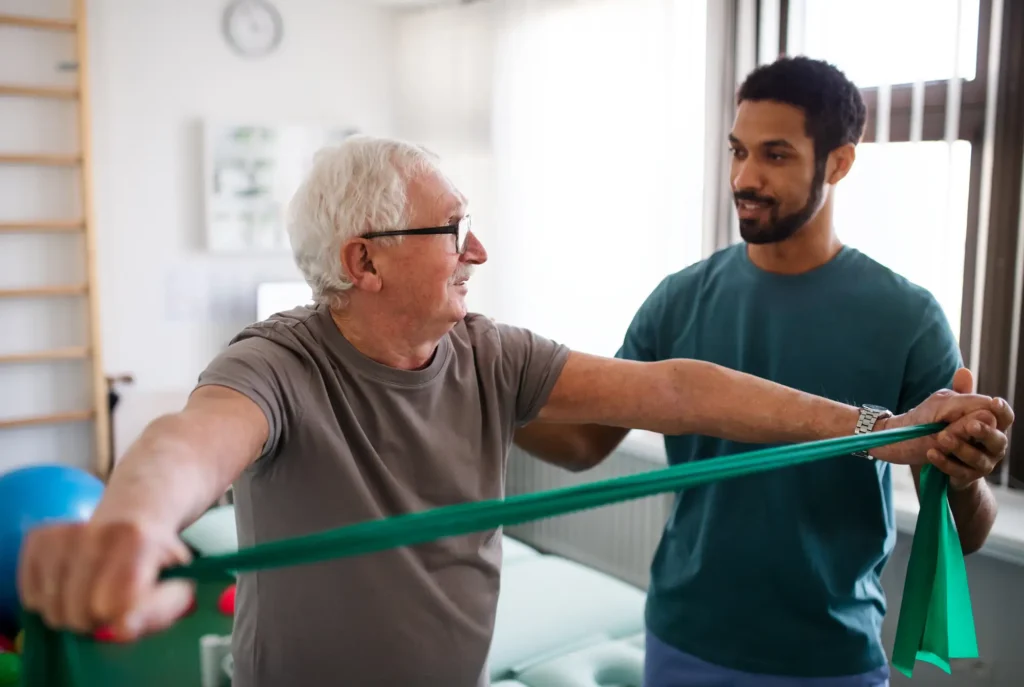
- Strength training and resistance exercises for seniors: Lifting light weights, using resistance bands or performing bodyweight exercises helps build and maintain muscle mass and strength.
- Nutritional support: Prioritize high protein intake to provide the building blocks for muscle. Good sources include lean meats, fish, dairy, and beans. Consult a professional about adequate nutritional support.
- Physical therapy and supervised fitness programs: Programs guided by professionals ensure exercises are done safely and effectively. This is especially important for seniors to help with balance problems.
- Incorporate balance and flexibility: Activities like tai chi or gentle yoga improve motor function, reduce the risk of falls, and support overall senior fitness.
- Tips for seniors living with dementia: Keep activities simple, consistent, and fun. Short, frequent walks and chair-based exercises are often effective in supporting physical health and social engagement.
How Memory Care Communities Address Physical Health
At The Village at Gainesville, we recognize that true dementia care must address the whole person – mind and body. Our approach to promoting independence through strength and cognitive support is integrated into daily life via:
- Integrating wellness programs: Our fitness programs are tailored to residents’ abilities and focus on functional movement, strength training, and balance to combat sarcopenia and frailty syndrome.
- Structured exercise and nutrition: Residents benefit from supervised exercise classes and meals designed to provide the necessary protein intake and nutritional support for muscle health.
- Promoting independence: By maintaining muscle strength, residents can preserve their mobility and ability to perform daily activities, which are critical for dignity and overall quality of life.
Our focus on physical health and active engagement ensures that residents have the resources they need to thrive and remain as independent as possible.
Make Overall Health a Priority
The link between muscle loss and cognitive decline is undeniable. By understanding the risk factors and recognizing the warning signs of muscle loss in seniors with dementia, we can take proactive, life-affirming steps to maintain both physical strength and brain health. Aging and sarcopenia don’t have to define a senior’s later years. Prioritizing senior exercise, strength training, and proper nutritional support is the best strategy to stay strong, maintain motor function, and preserve independence.
Live Well at The Village at Gainesville
The Village at Gainesville is committed to supporting both physical strength and cognitive health for seniors living with dementia. Through personalized care, wellness programs, and a compassionate community, we help residents stay active, engaged, and independent. Contact us today to learn more or schedule a tour to see how we can support your loved one’s journey.